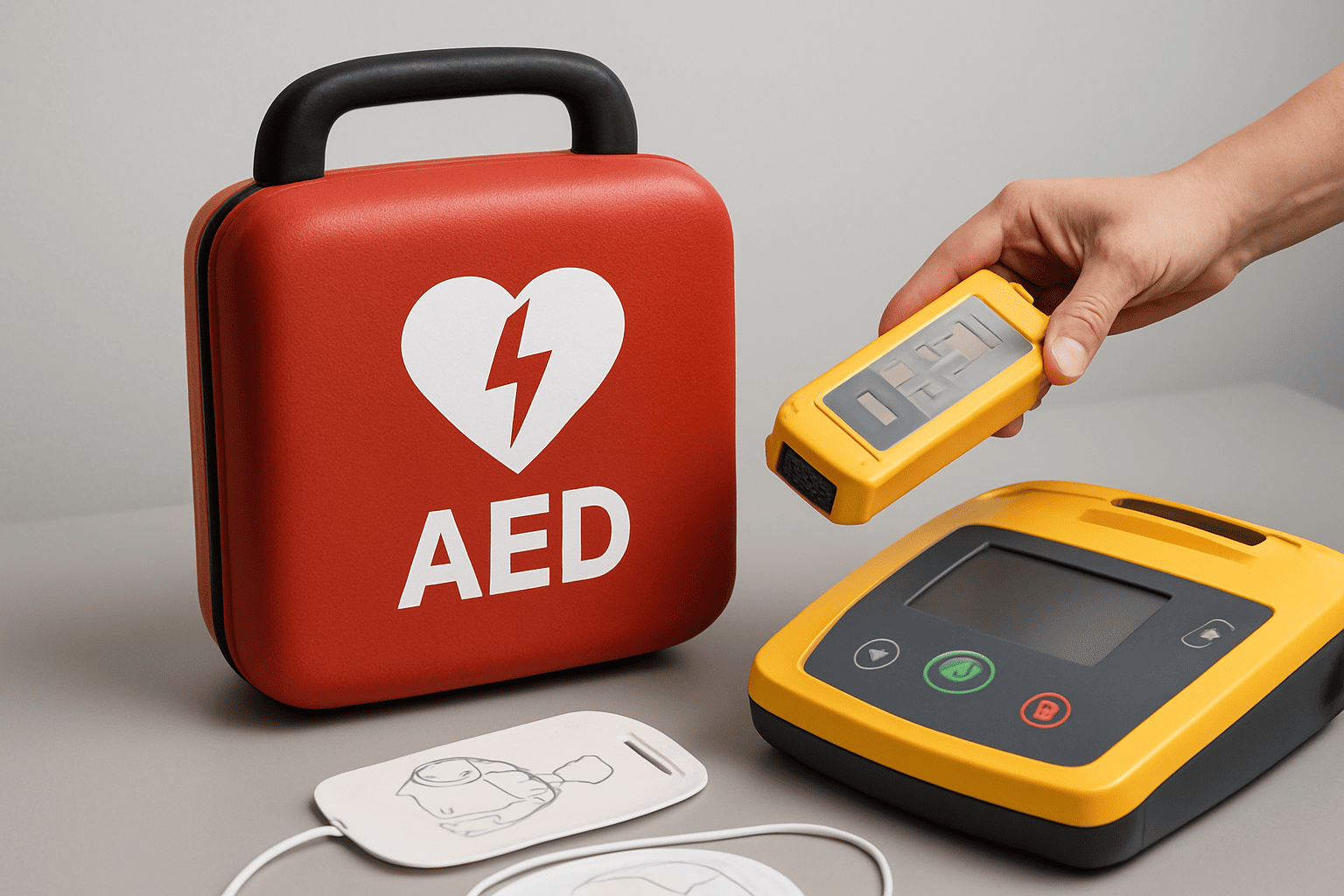
Sudden cardiac arrest strikes without warning, and an Automated External Defibrillator (AED) can mean the difference between life and death. The American Heart Association reports that more than 356,000 people suffer out-of-hospital cardiac arrest in the United States each year. When used quickly, an AED can double or even triple survival rates. However, these devices are only effective if their batteries are reliable.
Too often, AED and defibrillator batteries are treated as afterthoughts. Organizations may install the devices in public areas, workplaces, or clinics, yet neglect battery care until a replacement becomes urgent. A depleted battery at the wrong moment is more than an inconvenience—it can cost lives.
Battery longevity is not just about saving money on replacements. It is about ensuring the device works instantly, every time it is needed. Different AEDs use different battery technologies, ranging from long-life lithium primary cells to rechargeable hospital-grade defibrillator packs. Each type requires specific handling to extend service life.
Types of AED and Defibrillator Batteries
AED and defibrillator batteries are not one-size-fits-all. Different environments, device models, and usage patterns demand different battery technologies. Knowing the differences helps ensure proper care and prolongs lifespan.
1. Lithium Primary Batteries
Most public-access AEDs use non-rechargeable lithium primary batteries. These are designed for long shelf life and dependable power delivery.
Typical lifespan: 4 to 5 years in standby mode.
Advantages: Low self-discharge rate, high energy density, minimal maintenance.
Limitations: Once depleted, they must be replaced; cannot be recharged.
For example, Philips HeartStart FRx and OnSite AEDs rely on lithium manganese dioxide batteries that can last up to four years if stored correctly.
2. Lithium-Ion Rechargeable Batteries
Hospital defibrillators and professional AED units often use rechargeable lithium-ion packs. These batteries deliver high power but require regular charging cycles.
Typical lifespan: 2 to 3 years or 300–500 charge cycles.
Advantages: Lower long-term cost when heavily used, faster recharging capability.
Limitations: Shorter shelf life compared to primary lithium; sensitive to heat and overcharging.
ZOLL and Physio-Control (LIFEPAK) devices commonly use lithium-ion packs for rapid readiness in medical settings where usage is frequent.
3. Nickel-Metal Hydride (NiMH) Batteries
Older defibrillator models, and some training devices, use NiMH rechargeable batteries. Though less common today, they are still relevant in specific healthcare environments.
Typical lifespan: 2 years or around 500 charging cycles.
Advantages: Lower initial cost, relatively durable under frequent use.
Limitations: Higher self-discharge rate; require more careful charging practices.
4. Manufacturer-Specific Packs
Many AED makers design custom battery packs rather than using generic cells. These often include embedded circuitry to monitor status, provide expiration alerts, and ensure compatibility.
Examples: Defibtech’s DBP-2800 pack or Cardiac Science’s Intellisense lithium battery.
Benefit: Built-in safeguards increase reliability.
Drawback: Higher replacement cost compared to universal cells.
Why Understanding Types Matters
Each battery chemistry has unique storage, charging, and maintenance requirements. Treating all batteries the same shortens their service life and risks device failure. By tailoring care practices to the specific battery type, organizations can improve reliability and reduce unnecessary replacement costs.
Key Factors That Influence Battery Lifespan
AED and defibrillator batteries are engineered for reliability, but their performance is shaped by several external factors. Understanding these influences allows users to take preventive steps and extend operational life.
1. Temperature Exposure
Temperature extremes are the leading cause of battery degradation.
High heat: Speeds up chemical reactions inside cells, causing swelling, leakage, or capacity loss. A lithium-ion battery stored above 40°C (104°F) can lose 20% of its capacity in a year.
Cold conditions: Reduce discharge efficiency and shorten run time during emergencies. Below 0°C (32°F), some lithium batteries deliver only half their rated energy.
Best practice: Store AEDs in controlled environments between 15°C and 25°C (59°F to 77°F).
2. Usage Frequency
Public AEDs: Typically spend most of their time in standby mode. They may last several years if checked monthly.
Hospital defibrillators: Used and charged frequently, leading to higher wear on rechargeable batteries.
Excessive deep discharges or overcharging cycles shorten life, particularly in lithium-ion packs.
3. Humidity and Moisture
Excess moisture corrodes battery contacts and circuits. Outdoor AED cabinets should always include weatherproofing and desiccants to keep relative humidity below 50%. Corrosion can render a battery unusable even if its charge is intact.
4. Shelf Life and Self-Discharge
Every battery type loses charge naturally over time.
Lithium primary batteries: Low self-discharge, typically 2–3% per year.
Rechargeable lithium-ion: Higher self-discharge, around 5–8% per month if left unused.
NiMH batteries: Highest self-discharge, sometimes 20% per month without smart storage.
This natural drain makes regular inspection essential, even if the AED is never used.
5. Improper Storage Practices
Storing AED batteries loose, in direct sunlight, or near magnetic sources weakens performance. Some facilities mistakenly keep spare batteries in vehicle glove compartments, where summer temperatures can exceed 60°C (140°F), permanently damaging cells.
6. Manufacturer Expiry Dates
Most AED batteries carry stamped expiry dates, usually four to five years from manufacture. Ignoring these dates risks relying on a weakened power source during an emergency.
Best Practices for Storage and Usage
Extending the lifespan of AED and defibrillator batteries requires more than occasional checks. Consistent, informed practices ensure readiness when lives depend on it.
1. Follow Manufacturer Guidelines
Every AED brand publishes instructions specific to its battery type. These recommendations should never be overlooked. For example, Philips specifies that HeartStart batteries should be replaced every four years, even if unused. Following such guidance ensures compliance with warranty and safety standards.
2. Maintain Optimal Storage Conditions
Temperature: Keep batteries between 15°C and 25°C (59°F to 77°F). Avoid prolonged exposure to hot vehicles or unventilated cabinets.
Humidity: Store in a dry place with less than 50% relative humidity. Use sealed cabinets with desiccants in humid regions.
Light exposure: Protect from direct sunlight to prevent heat buildup and chemical stress.
3. Routine Inspections
Monthly battery checks reduce the risk of unexpected failure.
Confirm charge indicators are working.
Inspect for swelling, leakage, or corrosion.
Test AED readiness indicators; many devices show a green light or audible alert when operational.
Data from the U.S. Food and Drug Administration (FDA) highlights that many AED failures stem from neglected battery checks.
4. Smart Charging Habits for Rechargeable Packs
Avoid deep discharges: Do not allow lithium-ion or NiMH packs to run completely flat before recharging.
Use approved chargers: Generic chargers may overheat cells or damage internal circuits.
Charge before long storage: Store lithium-ion packs at around 50–60% capacity for best longevity.
5. Keep Spare Batteries
Facilities with high foot traffic or multiple AED units should keep spare batteries on hand. A replacement should always be available if an indicator shows low charge. Ensure spares are stored under the same controlled conditions as active units.
6. Label and Track Expiry Dates
A simple logbook or digital maintenance system helps track expiry dates and inspection schedules. Hospitals often integrate AED battery checks into their biomedical equipment management systems, ensuring accountability.
7. Avoid Overhandling
Unnecessary removal and reinsertion can stress the contacts and shorten life. Only handle batteries when inspections or replacements are required.
Maintenance, Replacement, and Safety Guidelines
Even with proper storage and usage, AED and defibrillator batteries have a finite life. Regular maintenance and safe replacement practices ensure the device remains dependable in every emergency.
1. Routine Maintenance Practices
Monthly checks: Confirm battery charge indicators, look for warning lights, and run self-tests if the AED allows.
Annual inspections: Perform deeper evaluations, including verifying manufacturer-stated shelf life, checking expiry dates, and ensuring the AED software is up to date.
Hospital devices: Rechargeable packs in clinical defibrillators often require weekly charging checks due to frequent use.
2. Signs That a Battery Needs Replacement
Expired shelf-life date stamped on the pack.
Device readiness indicator shows a red light, warning tone, or error message.
Physical changes such as swelling, leakage, or corrosion around contacts.
Shortened run time during test shocks, particularly in rechargeable batteries.
According to the FDA’s MAUDE database, battery-related failures are one of the top causes of AED malfunctions reported in the U.S. This highlights the importance of proactive replacement.
3. Safe Replacement Practices
Always power off the AED before removing the battery.
Insert only manufacturer-approved replacements to avoid compatibility issues.
Record the date of installation to track future replacements.
For organizations, maintain logs that document inspection, installation, and disposal dates.
4. Proper Disposal and Recycling
AED batteries contain lithium and other chemicals that must not be discarded in regular waste.
Lithium primary cells: Classified as hazardous waste in many regions. Most battery retailers and recycling programs accept them.
Rechargeable packs: Fall under electronic waste recycling laws. Many manufacturers offer take-back programs.
Improper disposal can cause environmental harm and even fire hazards. The U.S. Environmental Protection Agency (EPA) advises using certified e-waste recyclers for medical batteries.
5. Staff Training and Responsibility
Assign specific staff to manage AED inspections and battery replacements. Training should include how to read status indicators, interpret expiry dates, and handle emergencies if a battery fails. In public facilities, responsibility often falls to safety officers or health managers.
6. Emergency Backup Preparedness
For high-risk environments—such as gyms, airports, or sports stadiums—keeping fully charged backup batteries in the AED cabinet ensures zero downtime. A best practice is to align replacements with other safety checks, such as fire extinguisher inspections.
Conclusion
AEDs and defibrillators are powerful tools that save lives when every second matters. Their effectiveness depends on one critical component—the battery. A device with a depleted or poorly maintained battery is no more useful than if it were absent entirely.
This guide has outlined the essentials:
Know your battery type. Lithium primary, lithium-ion rechargeable, and NiMH packs each have unique lifespans and care requirements.
Manage environmental conditions. Heat, cold, and humidity directly shorten battery life. Controlled storage preserves reliability.
Follow best practices. Monthly inspections, smart charging, and careful handling extend service life.
Replace on time. Respect expiry dates, watch for warning signs, and maintain spares to ensure uninterrupted readiness.
Prioritize safety and responsibility. Dispose of old batteries responsibly and assign staff accountability for AED upkeep.
Data from the American Heart Association shows that early defibrillation can double or triple survival rates in cardiac arrest cases. That statistic underscores why battery management is more than maintenance—it is a commitment to saving lives.
Organizations, hospitals, and individuals who apply these practices ensure their AEDs remain reliable in emergencies. Prolonging battery life reduces costs, prevents unexpected failures, and, most importantly, keeps these devices ready to perform when needed most.
In short, extending AED and defibrillator battery life is not just about protecting equipment. It is about protecting people. With informed care and timely maintenance, every battery can deliver its full potential—the power to save a life.